PMP renewal in Asia-Pacific (APAC) follows global PMI rules, but the way professionals approach renewal is heavily influenced by corporate training ecosystems, employer sponsorship, and flexible learning preferences.
Across Malaysia, Hong Kong, Thailand, Japan, and Singapore, PMP-certified professionals often work in fast-paced, multinational environments where maintaining certification is closely tied to career progression and employer expectations.
If you are based in Malaysia, Hong Kong, Thailand, Japan, or Singapore, you may be wondering:
- Do PMP renewal rules differ across APAC countries?
- Are online PDUs accepted across Asia-Pacific?
- Do employers sponsor PMP renewal?
- How do professionals manage renewal alongside corporate training programs?
While PMI requirements remain globally consistent, PMP renewal in Asia-Pacific is shaped by corporate learning systems, structured development programs, and strong adoption of online education.
For a complete overview of PMP renewal rules, timelines, and audit processes, refer to our main PMP Renewal Guide.
Is PMP® Certification Recognized Across Asia-Pacific?
Yes — the PMP credential is widely respected across Asia-Pacific, especially in industries such as
Technology and IT delivery
Finance and banking programs
Manufacturing and supply chain transformation
Global consulting and outsourcing services
In many APAC markets, PMP is considered a strong differentiator for project leadership and global alignment.
Do PMI Renewal Rules Differ by Asia-Pacific Country?
No. PMI does not change renewal rules based on location.
Across Malaysia, Hong Kong, Thailand, Japan, and Singapore:
- PMP renewal cycle remains 3 years
- You need 60 PDUs
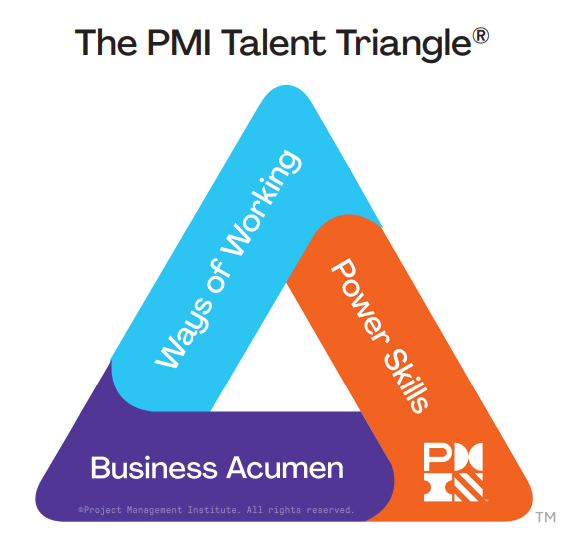
- PDUs must align with the PMI Talent Triangle
- Renewal reporting happens through PMI CCRS
Audit selection is random and global
However, APAC professionals often raise questions due to:
- Corporate employer-driven certification programs
- High reliance on employer-sponsored learning
- Regional variations in training availability
Detailed PDU distribution is explained in our dedicated PDU & Talent Triangle guide
How PMP Renewal Differs Across Asia-Pacific?
Although PMI renewal rules are globally standardized, professionals across Asia-Pacific experience unique regional patterns:
- Strong employer-sponsored learning and development programs
- Integration of PMP renewal with corporate training systems
- High adoption of online and self-paced learning
- Structured professional development tracking in large organizations
- Regional differences in access to local PMI chapter events
As a result, PMP renewal strategies in Asia-Pacific are typically structured, employer-driven, and highly flexible in terms of learning formats.
Can PMP PDUs Be Earned Online in Asia-Pacific?
Yes. PMI fully accepts online PDUs globally, which is especially convenient in Asia-Pacific where professionals often balance demanding roles and travel schedules.
Accepted PDU sources include:
- Self-paced online courses
- Webinars and virtual conferences
- PMI-approved digital learning programs
- Structured Talent Triangle-aligned bundles
Provider location does not matter—PDUs earned internationally remain valid in APAC countries.
PMP Renewal Considerations by Country (Asia-Pacific)
Below are common PMP renewal realities across key APAC countries.
PMP Certification Renewal in Malaysia
PMP is increasingly valued in Malaysia across:
- IT outsourcing and delivery centers
- Infrastructure and government modernization
- Manufacturing and industrial development
Common renewal consideration:
” Many professionals renew through online PDUs due to limited local chapter-based events and strong corporate schedules.
Employer reimbursement for certification maintenance is also common in multinational companies. “
PMP Certification Renewal in Hong Kong
Hong Kong has strong PMP demand in:
- Financial services and banking transformation
- Global consulting and enterprise IT programs
- Infrastructure and operations leadership
Common renewal consideration:
“Professionals often prefer fast, structured renewal options because of high-paced corporate project environments.
Audit-safe documentation is valued due to compliance-driven sectors.“
PMP Certification Renewal in Thailand
Thailand-based PMP holders often work in:
- Construction and infrastructure expansion
- Manufacturing and supply chain programs
Tourism and service-sector transformation initiatives
Common renewal consideration:
” Online PDUs are widely used due to flexible scheduling and limited in-person renewal events outside major cities. “
PMP Certification Renewal in Japan
Japan has a growing PMP market, particularly in:
- Technology and engineering enterprises
- Automotive and manufacturing transformation
Global project delivery organizations
Common renewal consideration:
” Professionals often balance PMP renewal with strong internal corporate training systems, ensuring PDUs align correctly with PMI categories.“
Singapore
Singapore is one of the strongest PMP markets in APAC, especially in:
- Finance and fintech transformation
- Government digital initiatives
Regional headquarters of multinational firms
Common renewal consideration:
” Employers frequently sponsor structured renewal programs, making compliant PDU tracking and documentation a priority. “
PMP Renewal Comparison Across Asia-Pacific
| Country | Key Focus | Renewal Behavior |
| Singapore | Finance + compliance | Structured, employer-driven renewal |
| Hong Kong | Banking + consulting | Fast, audit-safe programs |
| Malaysia | IT outsourcing | Online PDUs + employer support |
| Thailand | Infrastructure growth | Flexible online learning |
| Japan | Corporate systems | Internal training + structured PDUs |
How PMP Professionals in Asia-Pacific Typically Renew
Most PMP holders in APAC follow this renewal flow:
1
Check remaining PDUs in PMI CCRS
2
Complete Education PDUs through online courses
3
Submit claims via PMI portal
4
Pay renewal fee
5
Maintain certificates for audit safety
Many Asia-Pacific professionals prefer structured, Talent Triangle-aligned renewal options that fit around corporate schedules.
Is PMP Audit Risk Higher in Asia-Pacific?
No. PMI audits are:
- Random
- Global
- Not targeted by country
Asia-Pacific professionals are not audited more frequently, but many choose structured renewal pathways because employer compliance expectations are high in regulated industries.
PMI audits typically verify:
- Certificates and proof of completion
- Correct Talent Triangle mapping
- Submission accuracy in CCRS
👉 See Our PMP Audit Guide for detailed understanding on PMP Renewal audits.
Helpful PMP Renewal Resources (Asia-Pacific)
Simplifying PMP Renewal Across Asia-Pacific
- Strong employer-sponsored learning and development programs
- Integration of PMP renewal with corporate training systems
- High adoption of online and self-paced learning
- Structured professional development tracking in large organizations
- Regional differences in access to local PMI chapter events
As a result, PMP renewal strategies in Asia-Pacific are typically structured, employer-driven, and highly flexible in terms of learning formats.
Final Note: PMP Certification Renewal In Asia-Pacific countries
PMP renewal in Asia-Pacific follows global PMI standards, but the region’s strong corporate learning culture and employer-driven development systems significantly influence how professionals approach renewal.
By leveraging structured learning programs, completing PDUs early, and maintaining proper documentation, PMP holders across APAC can ensure smooth renewal and sustained career growth.
In highly competitive and fast-evolving markets, maintaining an active PMP certification remains a strong professional advantage.
FAQ : PMP certification renewal in Asia-Pacific
Do PDUs need to be earned locally in APAC?
No. PDUs can be earned online from any global provider if they meet PMI requirements.
Are PDUs valid if I relocate within Asia-Pacific?
Yes. PMP renewal is global. Your PDUs remain valid regardless of where you work.
Can employers sponsor PMP renewal in APAC?
Yes. Employer reimbursement is common, especially in Singapore, Hong Kong, and multinational environments.
Is early renewal recommended?
Yes. Professionals in high-demand project environments often renew early to avoid last-minute risk.